





T&L biotechnology
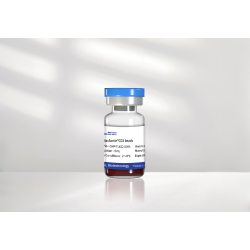
Brand: T&L biotechnology
MaxSortin®CD3 beads are suitable for separation of human CD3⁺ T cells and the size of the magnetic beads is 50nm. CD3⁺ T cells can be separated by anti-human CD3 monoclonal antibody conjugated on the magnetic beads, which can specifically recognize CD3⁺ T cells. NanoSep™CD3 beads can be used f..
$1,070.00

Brand: T&L biotechnology
MaxSortin®CD4 beads are suitable for separation of human CD4⁺ T cells and the size of the magnetic beads is 50nm. CD4⁺T cells can be separated by anti-human CD4 monoclonal antibody conjugated on the magnetic beads, which can specifically recognize CD4⁺ T cells. NanoSep™ CD4 beads can be used f..
$440.00
Brand: T&L biotechnology
MaxSortin®CD4 beads are suitable for separation of human CD4⁺ T cells and the size of the magnetic beads is 50nm. CD4⁺T cells can be separated by anti-human CD4 monoclonal antibody conjugated on the magnetic beads, which can specifically recognize CD4⁺ T cells. NanoSep™ CD4 beads can be used f..
$915.00
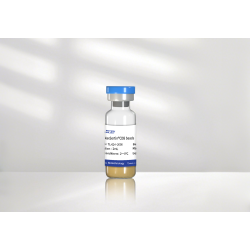
Brand: T&L biotechnology
MaxSortin®CD8 beads are suitable for separation of human CD8 ⁺ T cells and the size of the magnetic beads is 50nm. CD8⁺T cells can be separated by anti-human CD8 monoclonal antibody conjugated on the magnetic beads, which can specifically recognize CD8⁺T cells. NanoSep™CD8 beads can be used fo..
$440.00
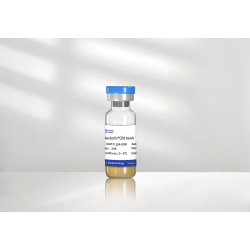
Brand: T&L biotechnology
MaxSortin®CD8 beads are suitable for separation of human CD8 ⁺ T cells and the size of the magnetic beads is 50nm. CD8⁺T cells can be separated by anti-human CD8 monoclonal antibody conjugated on the magnetic beads, which can specifically recognize CD8⁺T cells. NanoSep™CD8 beads can be used fo..
$915.00
Brand: T&L biotechnology
Nanoscale MaxSortin®TCR αβ Beads can be used to deplete and isolate human TCR αβ+ cells. By conjugating anti-human TCR αβ monoclonal antibody to the beads, magnetic separation is performed afterincubation with cells to achieve the separation of TCR αβ+ cells...
$620.00
Brand: T&L biotechnology
OK432 is a freeze-dried devitalized bacterium. OK-432 has been widely studied as an immunomodulatory agent and continues to be used in immune cell research, particularly in protocols involving dendritic cells (DCs) and other immune cell-based applications.One of its established research ap..
$207.00
Brand: T&L biotechnology
4-1BB ligand (4-1BBL), also known as CD137L or TNFSF9, is a member of the tumor necrosis factor (TNF) family expressed on activated antigen-presenting cells. Its receptor, 4-1BB, is a member of the TNF receptor family expressed on activated CD4 and CD8 T cells. In response to 4-1BB Ligand bindi..
$422.00
Brand: T&L biotechnology
Activin A is a
dimeric glycoprotein of the TGF-ß superfamily, with roles including embryonic
differentiation, trophoblast invasion of the uterine wall in early pregnancy,
and fetal/neonatal brain protection under hypoxic conditions. Activin A also
regulates bone formation and regeneration, enhan..
$280.00
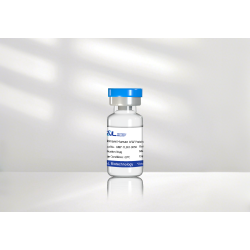
Brand: T&L biotechnology
Basic fibroblast growth factor (bFGF), also known as FGF2, is a member of the fibroblast growth factor (FGF) family. It is a highly specific chemotactic and mitogenic factor for many cell types, appears to be involved in remodeling damaged tissue, such as ulcer healing, vascular repair, traumatic br..
$120.00

Brand: T&L biotechnology
Basic fibroblast growth factor (bFGF), also known as FGF2, is a member of the fibroblast growth factor (FGF) family. It is a highly specific chemotactic and mitogenic factor for many cell types, appears to be involved in remodeling damaged tissue, such as ulcer healing, vascular repair, traumatic br..
$65.00
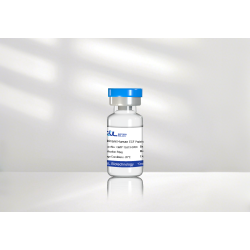
Brand: T&L biotechnology
EGF is a growth factor that stimulates the growth of various epidermal and epithelial tissues in vivo and in vitro and of some fibroblasts in cell culture. It results in cellular proliferation, differentiation, and survival. EGF acts by binding with high affinity to epidermal growth factor receptor ..
$60.00